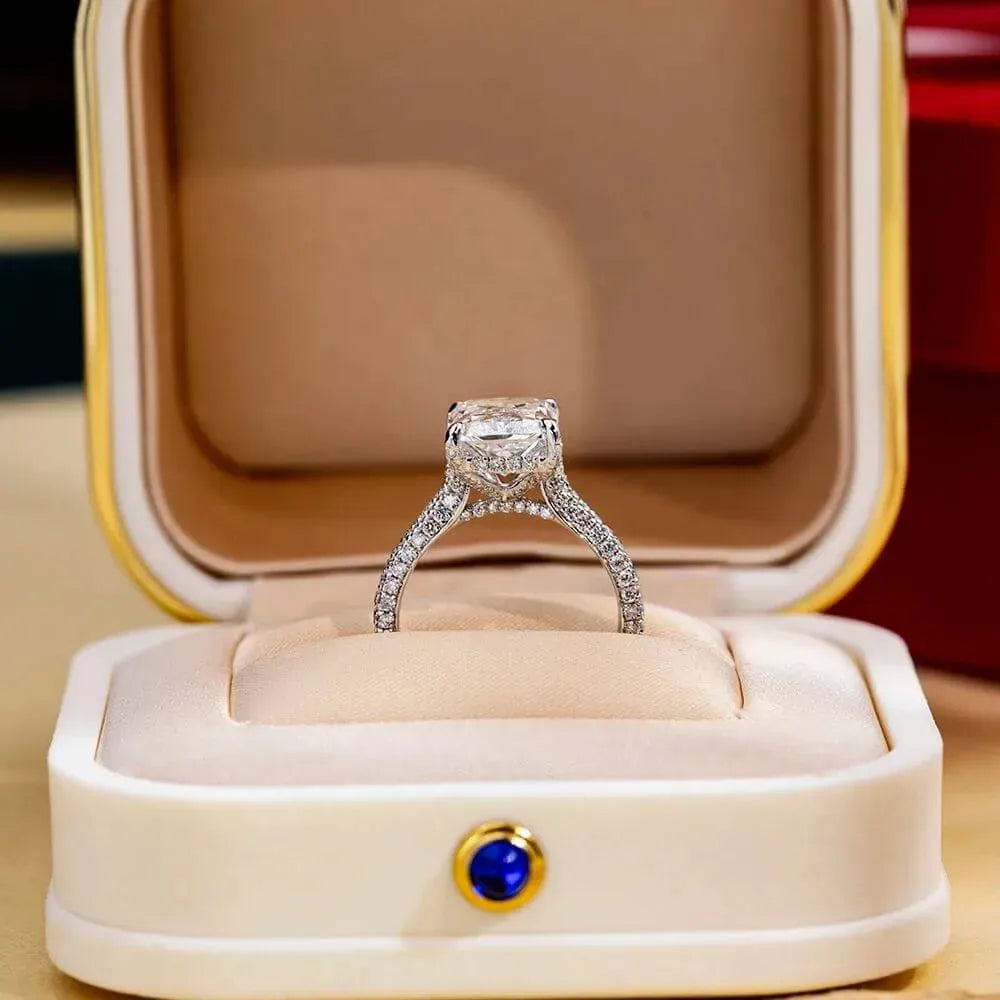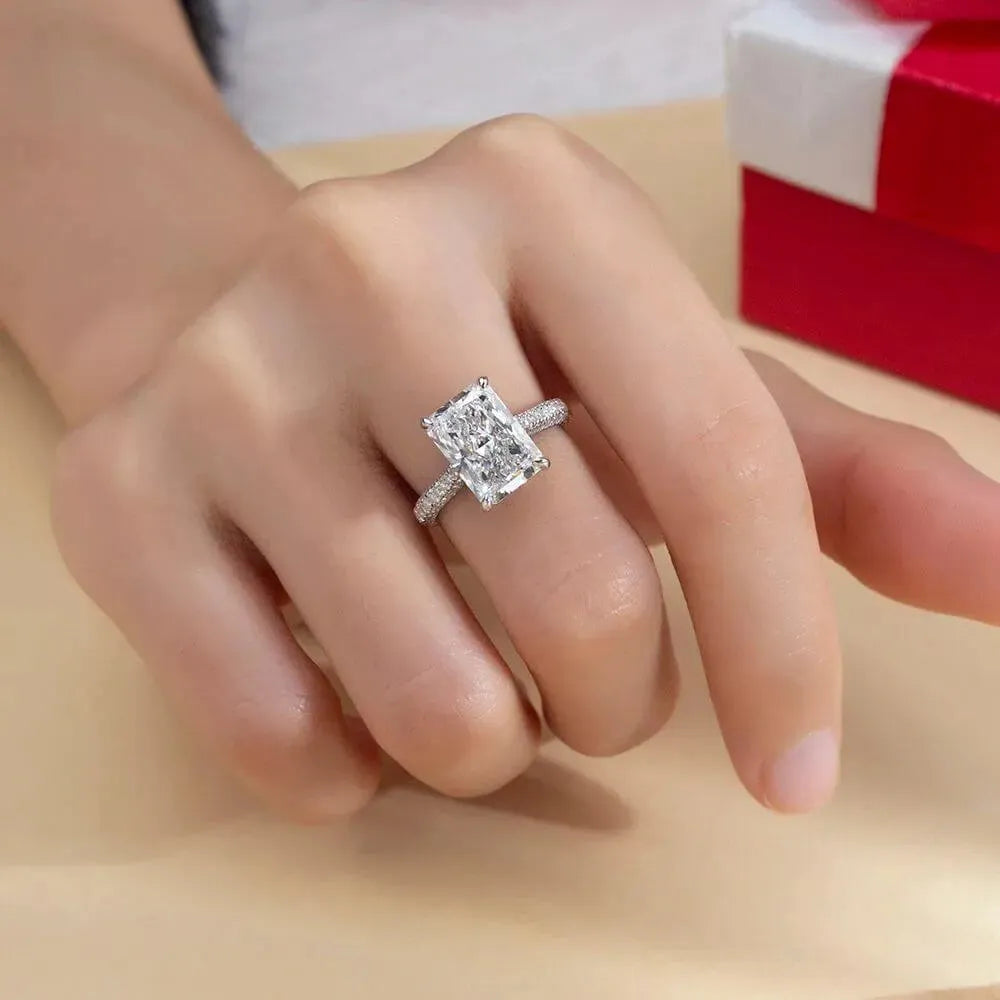


MARQUISE ENGAGEMENT RINGS

Marquise engagement rings feature a distinctive elongated shape with pointed ends, creating a romantic silhouette that maximizes carat weight and finger coverage. This elegant cut, originally commissioned by King Louis XV in 1745 to resemble the lips of his mistress, the Marquise de Pompadour, combines timeless history with modern sophistication.

The marquise diamond's unique football-like shape creates the illusion of greater size compared to other cuts of equal carat weight, making it an excellent choice for those seeking maximum visual impact. The elongated form also creates a flattering effect on the finger, making it appear longer and more slender. With 58 facets, marquise diamonds offer exceptional brilliance and fire when cut to ideal proportions.

At Chantal Vaulet, our marquise engagement rings feature carefully selected diamonds with optimal length-to-width ratios (typically 1.75:1 to 2.25:1) and proper depth percentages to minimize the bow-tie effect while maximizing sparkle. Each ring is designed with protective settings to safeguard the delicate pointed tips, ensuring both beauty and durability for everyday wear.

Whether set in classic solitaire designs, surrounded by diamond halos, or paired with vintage-inspired details, our marquise engagement rings offer a distinctive alternative to traditional round diamonds while maintaining exceptional brilliance and timeless elegance.

Marquise Engagement Rings FAQ

Expert answers to help you choose the perfect Maqruise engagement ring
What makes marquise engagement rings unique?

Marquise engagement rings stand out for their distinctive elongated oval shape with dramatically pointed ends, creating a striking and sophisticated appearance. This cut, dating back to 18th-century France, offers several unique advantages: it maximizes perceived diamond size (appearing 15-20% larger than round diamonds of equal carat weight), creates an elegant finger-lengthening effect, and provides exceptional brilliance through its 58-facet design.

The marquise shape is ideal for those seeking a vintage-inspired yet contemporary look. The elongated form makes it one of the most efficient cuts for carat weight retention, meaning you get more visual impact for your investment. The shape's two pointed ends also add a romantic, feminine quality that many find irresistible.

Historical Note: The marquise cut was specifically created in 1745 by order of King Louis XV, who wanted a diamond to match the smile of his mistress, Jean Antoinette Poisson, the Marquise de Pompadour, making it one of the few diamond cuts with documented royal origins.

Related Collections:Oval Engagement Rings, Pear Engagement Rings, Emerald Engagement Rings

Do marquise diamonds look larger than other cuts?

Yes, marquise diamonds typically appear 15-20% larger than round brilliant diamonds of the same carat weight due to their elongated shape and greater surface area. This makes marquise an excellent choice for those seeking maximum visual impact within a specific budget.

The marquise cut's elongated silhouette creates more visible face-up area compared to rounder shapes. For example, a 1-carat marquise diamond typically measures approximately 10mm x 5mm, while a 1-carat round diamond measures about 6.5mm in diameter. This difference in dimensions means the marquise covers significantly more finger space, creating a more dramatic presence.

Additionally, when set north-south (vertically) on the finger, the marquise shape creates an optical illusion that makes both the diamond and the finger appear longer and more slender. This flattering effect is one reason marquise engagement rings have remained popular for centuries, particularly among those with shorter fingers or smaller hands.

According to the Gemological Institute of America, the marquise cut's surface area efficiency makes it rank among the top three shapes for maximizing face-up appearance relative to carat weight, alongside oval and pear cuts.

Expert Tip: Choose a marquise with a length-to-width ratio between 1.75:1 and 2.25:1 for the most balanced and elegant appearance.

Which settings best complement marquise shapes?

Marquise diamonds shine in several setting styles, each offering distinct benefits:

Solitaire Settings: Classic 4 or 6-prong solitaires showcase the marquise shape's inherent elegance while providing essential protection for the pointed tips. V-prong settings at each point offer superior protection against chipping.

Halo Settings: A halo of smaller diamonds amplifies the marquise's already impressive size while providing additional protection for the vulnerable points. This setting style also increases overall brilliance and can create a more vintage-inspired aesthetic.

Three-Stone Settings: Flanking a marquise center stone with side stones (often rounds, trillions, or tapered baguettes) creates a balanced, sophisticated design that emphasizes the center diamond's unique shape.

Pavé Setting: Pavé settings elevate the marquise shape with a surface of closely set diamonds along the band, creating a continuous sparkle that enhances the center stone’s elongated silhouette. The tiny accent stones draw the eye toward the marquise while adding luxurious shimmer without overwhelming the design. This setting style offers a refined, romantic look that works beautifully with both modern and vintage-inspired

Eternity Bands: Modern east-west orientations (horizontal positioning) create a contemporary, fashion-forward look while distributing stress more evenly across the diamond.

Consumer preference research from The Knot's 2025 Jewelry & Engagement Study shows that halo settings have gained significant popularity, now accounting for 23% of all engagement ring preferences. This trend particularly benefits marquise shapes, as the halo design naturally complements the elongated silhouette while providing the added practical benefit of corner protection.

Are marquise rings good for everyday wear?

Marquise engagement rings can be excellent for everyday wear when designed with proper protection for their two pointed ends. The key to durability lies in choosing secure settings with V-prongs, bezels, or protective basket designs at each tip.

While the marquise shape's points are more vulnerable to chipping than rounded diamonds, this concern can be effectively addressed through thoughtful setting design. Professional jewelers recommend V-shaped prongs specifically engineered to cradle and protect each point. Additionally, settings that position the marquise slightly recessed into the band (rather than elevated high above) reduce the risk of accidental impacts.

For active lifestyles, consider:

  • V-prong settings at both tips (offers protection while maintaining visibility)
  • Lower profile designs (reduces snagging risk)
  • Protective side stones (adds buffer zone around the center diamond)
  • 18K white or yellow gold, or platinum bands** (more durable than 14K)

With proper care, removing your ring during high-impact activities, regular professional inspections to ensure prongs remain tight, and gentle cleaning, a well-crafted marquise engagement ring can last generations. Many vintage marquise rings from the 1920s-1950s Art Deco period remain in excellent condition today, testament to their durability when properly maintained.

How does marquise sparkle compare to round diamonds?

Marquise diamonds offer exceptional brilliance and fire that rivals round brilliant diamonds, though with a distinctive pattern due to their elongated shape. Both cuts feature 58 facets arranged to maximize light return, but the marquise displays its sparkle in a more elongated, directional manner.

Well-cut marquise diamonds can achieve excellent light performance comparable to round brilliants. However, marquise diamonds are more susceptible to the "bow-tie effect", a dark shadow across the diamond's center, if cut with improper proportions. This effect occurs when light leaks through the pavilion rather than reflecting back to the viewer.

Key factors affecting marquise sparkle:

  • Depth Percentage: Ideal range of 58-62% ensures proper light return
  • Table Percentage: 53-60% provides optimal balance of brilliance and fire
  • Length-to-Width Ratio: 1.75:1 to 2.25:1 promotes even light distribution
  • Symmetry: Critical for minimizing bow-tie effect and maximizing sparkle

When selecting a marquise diamond, always examine it in person or through high-quality video to assess the bow-tie effect. A minimal bow-tie (present in virtually all marquise diamonds to some degree) is acceptable, but it should not dominate the diamond's appearance. Premium marquise diamonds with excellent cut quality can exhibit sparkle that equals or exceeds rounds, particularly when viewed from certain angles.

According to the American Gem Society's light performance research, fancy-shaped diamonds including marquise can achieve brightness scores within 5-8% of ideal-cut round brilliants when cut to optimal proportions, a difference imperceptible to most observers.

What's the ideal length-to-width ratio for marquise diamonds?

The ideal length-to-width ratio for marquise diamonds typically ranges from 1.75:1 to 2.25:1, with 1.90:1 to 2.00:1 considered the classic, most universally flattering proportion.

Understanding the ratios:

  • 1.75:1 to 1.85:1: Slightly wider, more rounded appearance; modern aesthetic
  • 1.90:1 to 2.00:1: Classic marquise proportion; balanced elegance
  • 2.05:1 to 2.25:1: Sleeker, more elongated; dramatic finger coverage
  • Above 2.25:1: Very elongated; distinctive but less traditional

Your personal preference and hand shape should guide your choice. Those with shorter fingers often prefer longer ratios (2.00:1+) for maximum finger-lengthening effect, while wider ratios may suit longer fingers better.

Maintaining proper depth and table percentages becomes increasingly critical in more elongated ratios to prevent the bow-tie effect. Diamonds with extreme ratios (below 1.70:1 or above 2.30:1) may also command slightly lower prices due to limited demand, though they can create striking, unique appearances for those who love their distinctive look.

Pro Tip: When comparing diamonds, always verify the ratio by dividing the length by the width. Laboratory reports from GIA, IGI, or AGS list these measurements, allowing you to calculate the exact ratio yourself.

How do you protect the pointed tips on marquise diamonds?

Protecting marquise diamond tips requires thoughtful setting design and proper maintenance. The points, being the thinnest parts of the diamond, are the most vulnerable to chipping if struck or snagged.

Essential Protection Strategies:

1. V-Prong Settings
V-shaped prongs specifically designed for pointed diamonds provide the best protection while maintaining the stone's visibility. These prongs wrap around each tip, distributing stress and shielding the point from direct impacts.

2. Bezel or Partial Bezel Settings
Full or partial bezels encasing the tips offer maximum protection, though they slightly reduce the diamond's visible surface area. Many modern designs incorporate partial bezels just at the points while using prongs along the sides.

3. Protective Gallery Design
The gallery (underside basket) should be designed with additional metal support beneath each point, providing protection from below while maintaining security.

4. Proper Metal Choice
Platinum or 18K gold offers superior strength compared to 14K gold or silver. The durability of the metal directly impacts how well it protects the diamond over time.

5. Regular Professional Maintenance
Schedule professional inspections every 6 months to ensure prongs remain tight and haven't worn down. Loose prongs are the primary cause of diamond loss or damage.

6. Lifestyle Considerations
Remove your ring during activities with high impact risk: exercising, gardening, cleaning with harsh chemicals, or manual labor.

Industry best practices from Jewelers of America recommend that all fancy-shaped diamonds with pointed or sharp edges, including marquise, pear, and princess cuts, receive extra attention in both setting design and ongoing care. With proper precautions, your marquise diamond will remain secure and beautiful for generations.

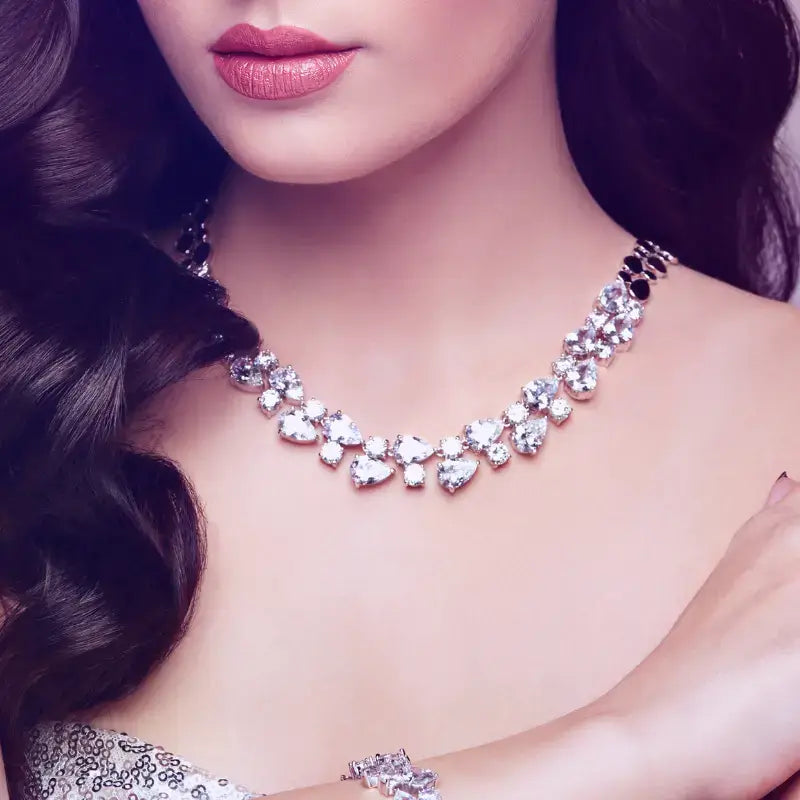
A close-up of an elegant woman showcasing a sparkling pair of statement earrings and a dazzling moissanite necklace. The jewelry features intricate designs and brilliant craftsmanship, perfect for adding glamour to any outfit.

Engagement jewelry

Chantal Vaulet, luxury should be available to everyone.

We are the Better Choice

CHANTAL VAULET

OTHERS

Proper, No Thin Coating

Nickel-Free Silver & Gold

Authenticity Certificate

No Clouding Over Time

Risk-Free Purchase

No Cheap Alloys

Strict Safety Standards

Popular Engagement Ring Cuts

Find Your Perfect Shape

From timeless round-cut stones to elegant ovals, explore the most sought-after engagement ring shapes, each designed to capture your unique love story.

Round-Cut Rings

The classic round cut delivers unmatched brilliance and fire. Ideal for those seeking a timeless, sparkling engagement ring.

Shop Round

Oval Engagement Rings

Elongated and elegant, the oval cut adds vintage flair with a modern silhouette, perfect for creating a slimming effect on the finger.

Shop Oval

Pear-Shaped Rings

With its teardrop silhouette, the pear shape blends romance and elegance. A unique choice that flatters every hand.

Shop Pear

Emerald Cut

Sleek and refined, emerald-cut
stones showcase clarity and
symmetry in a sophisticated step-cut design.

Shop Emerald